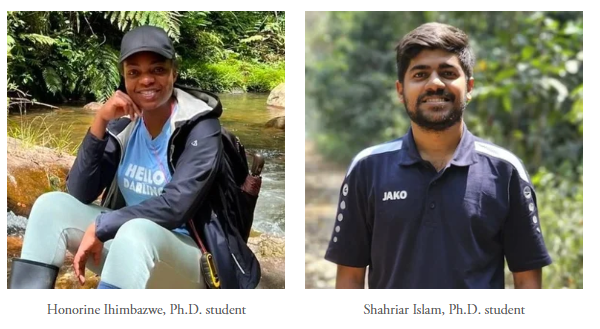
TEEL Lab at ESA!
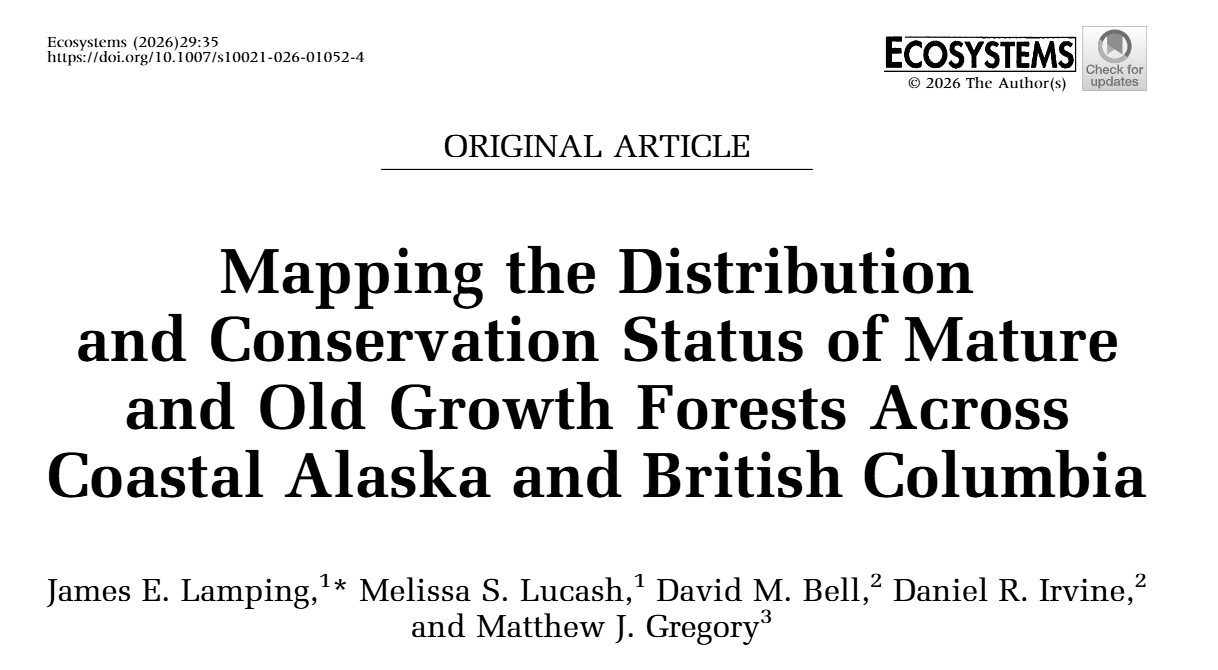
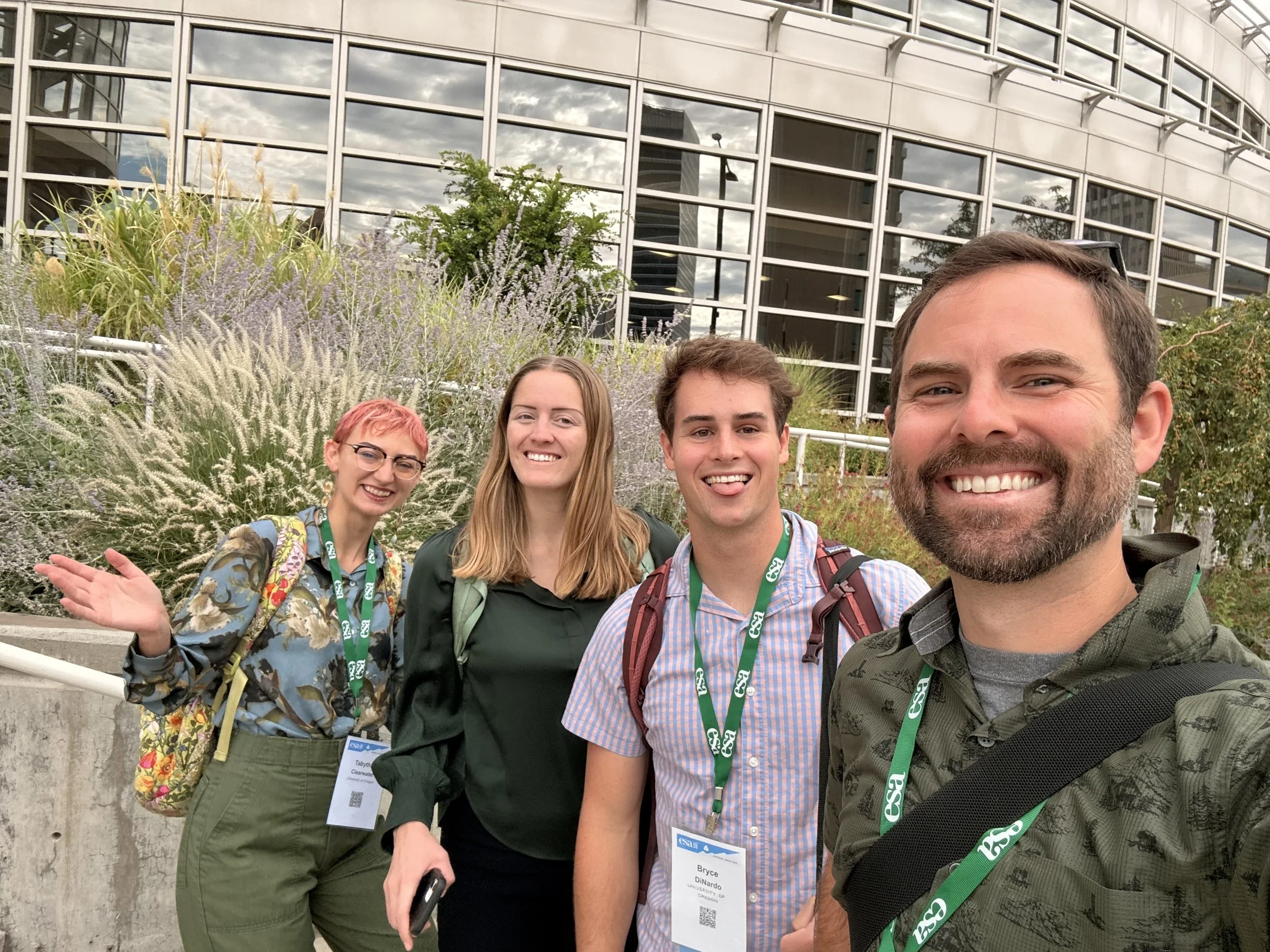
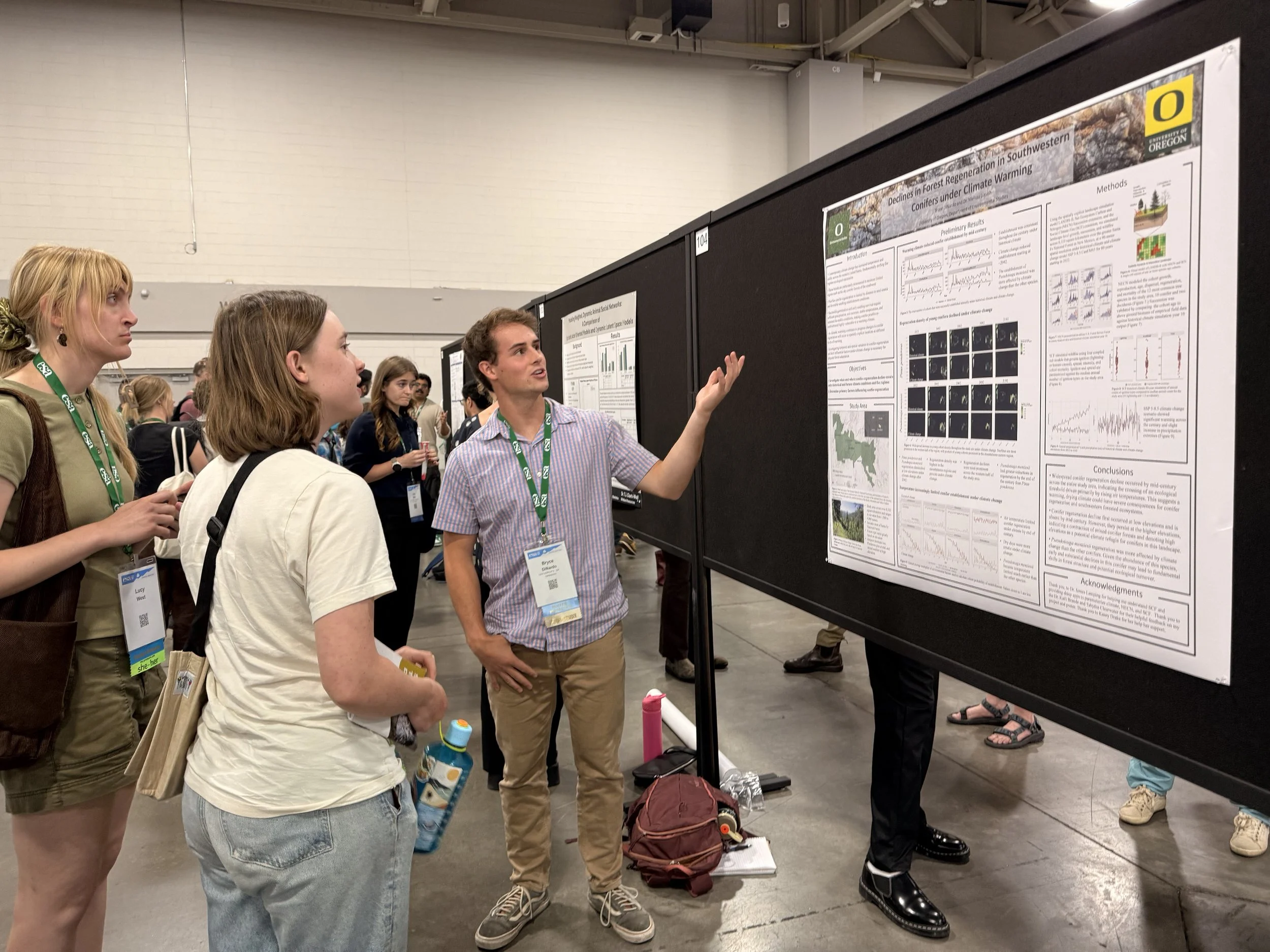
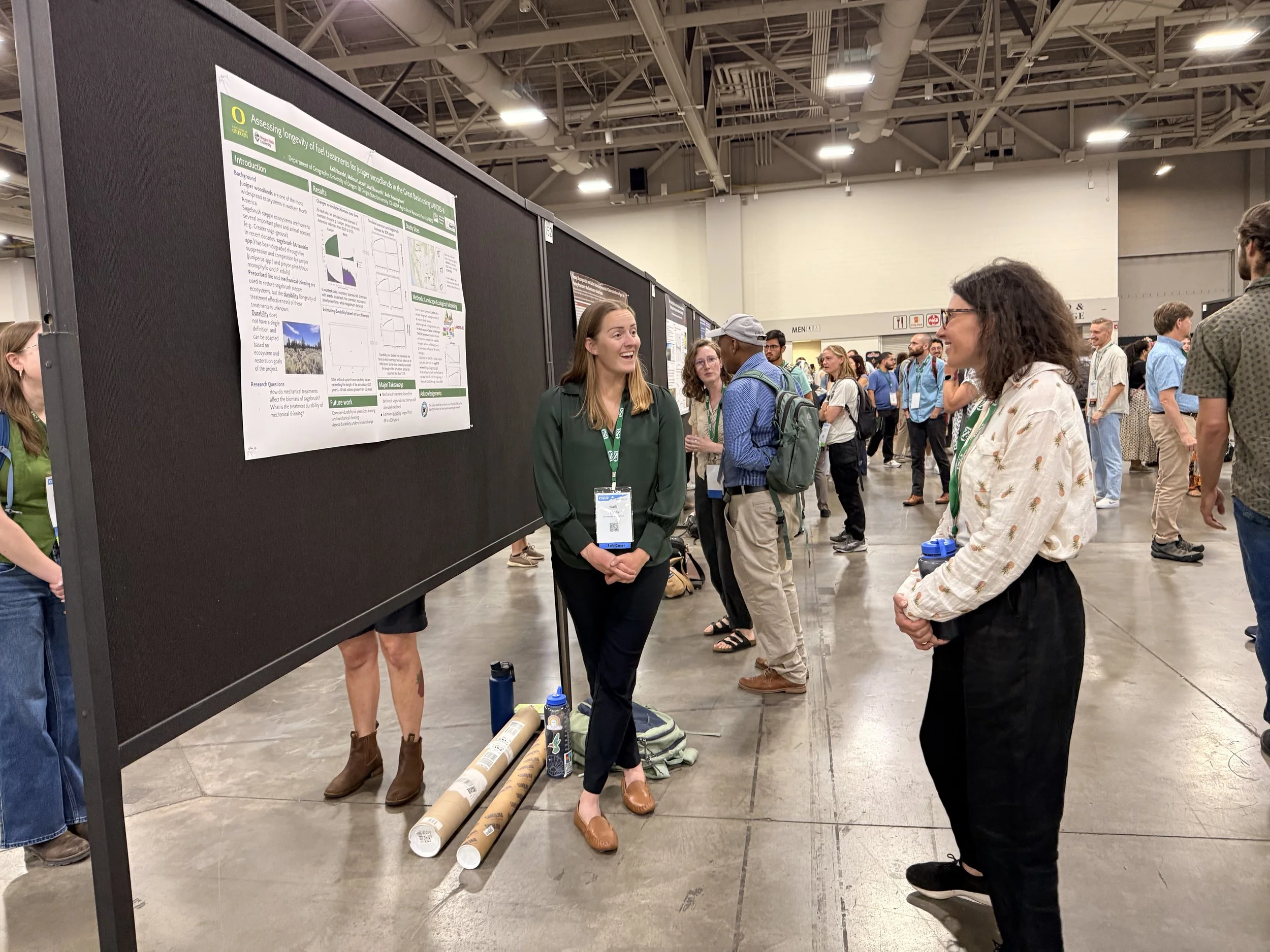
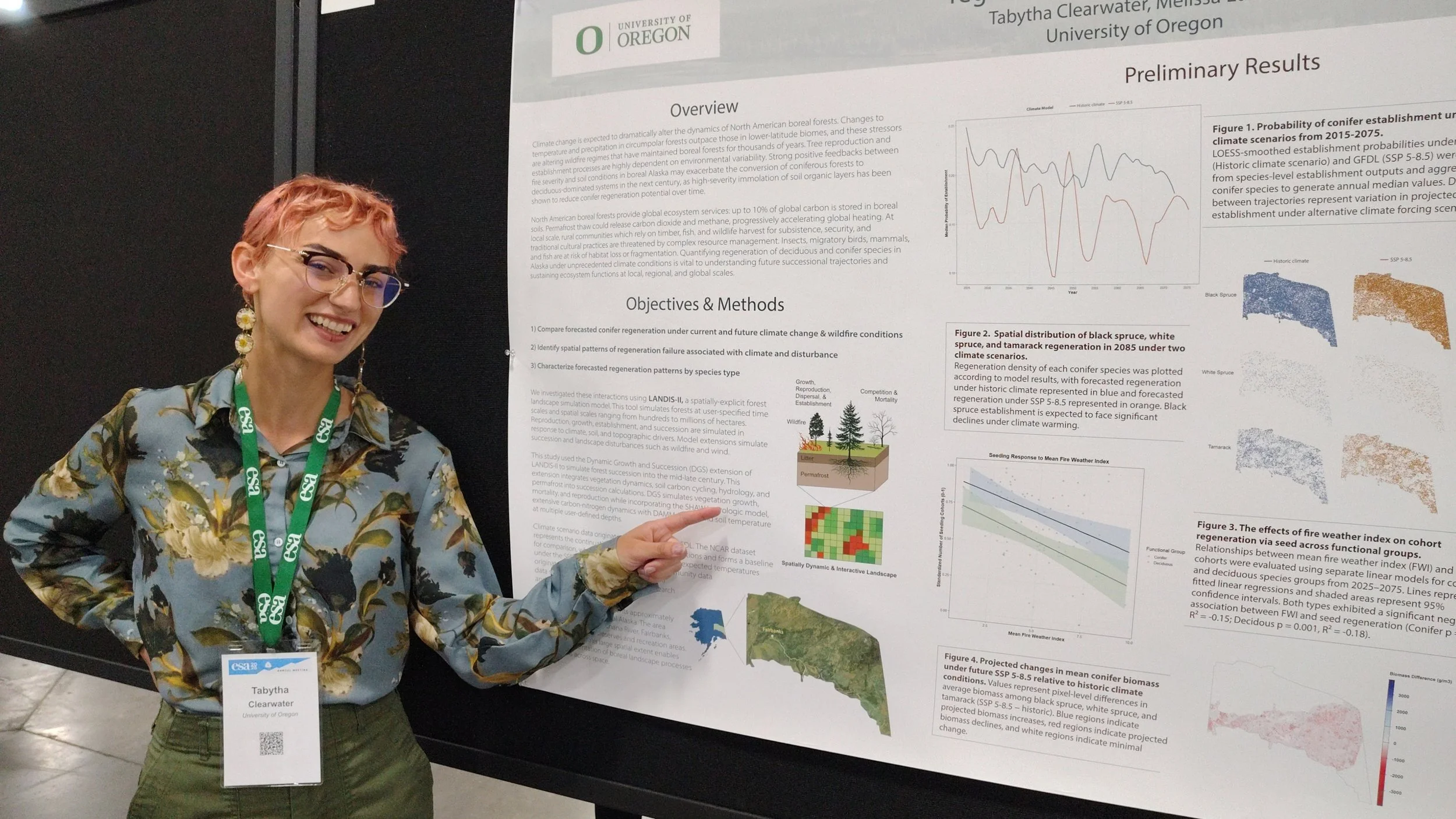
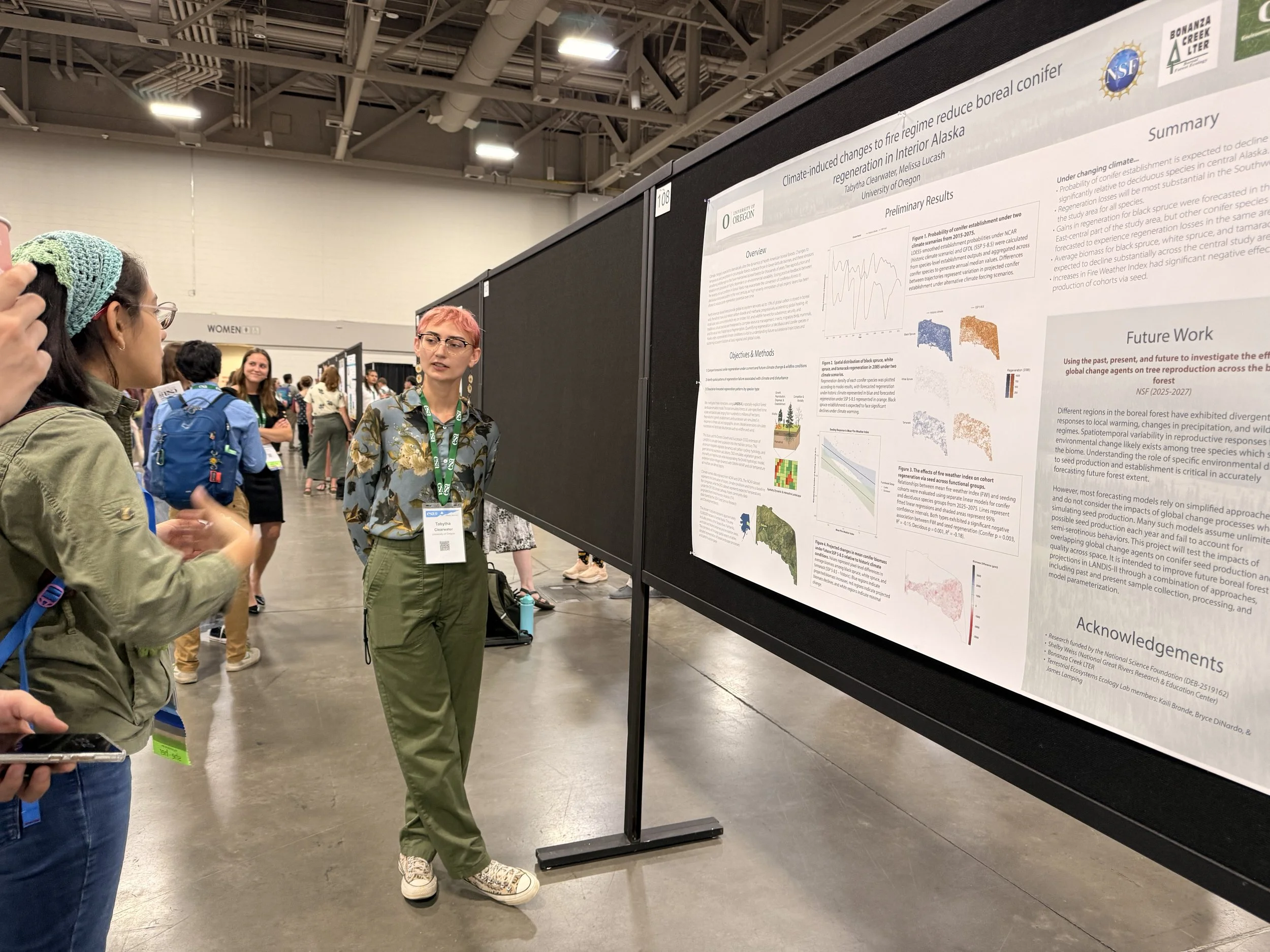
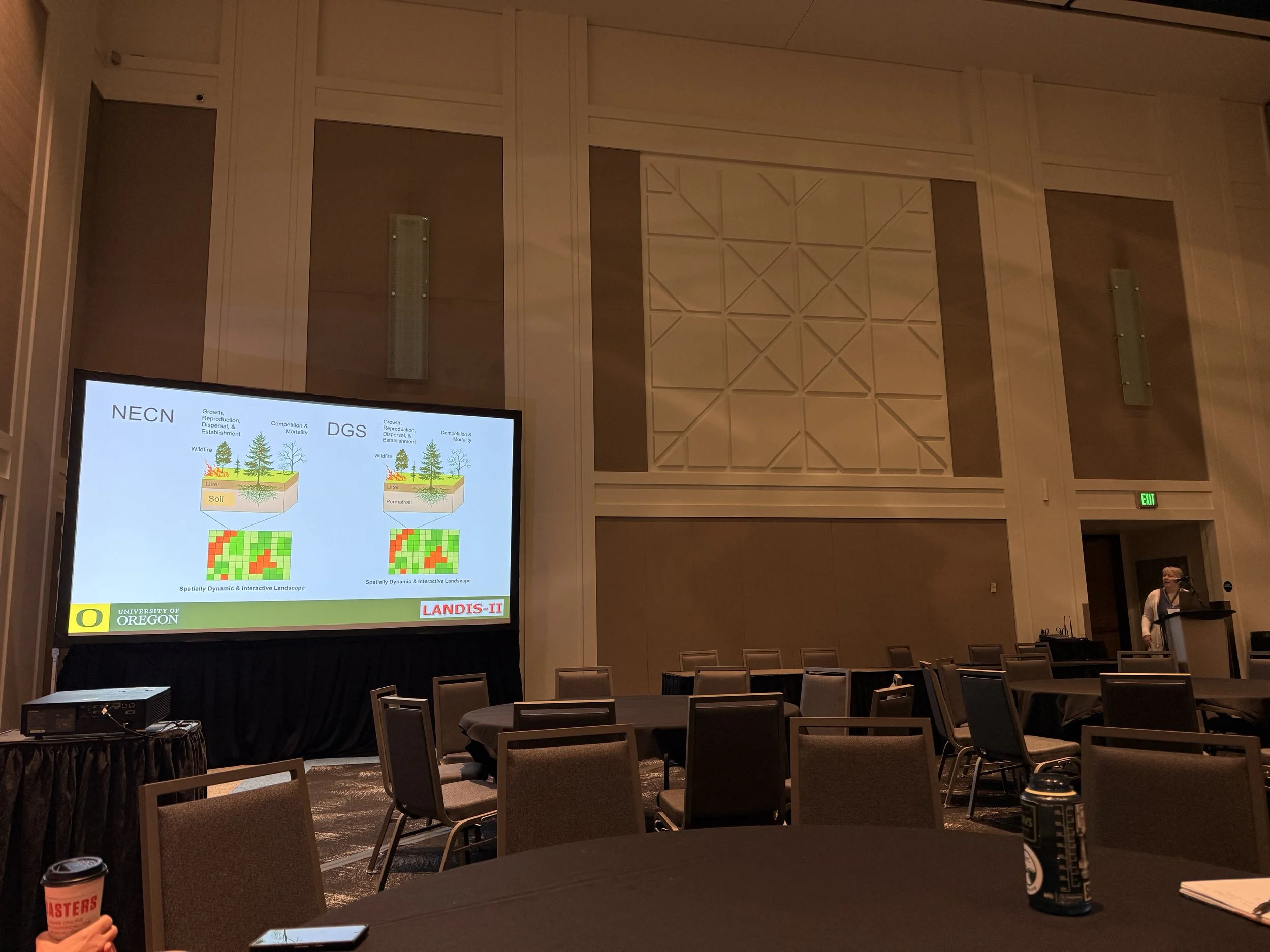
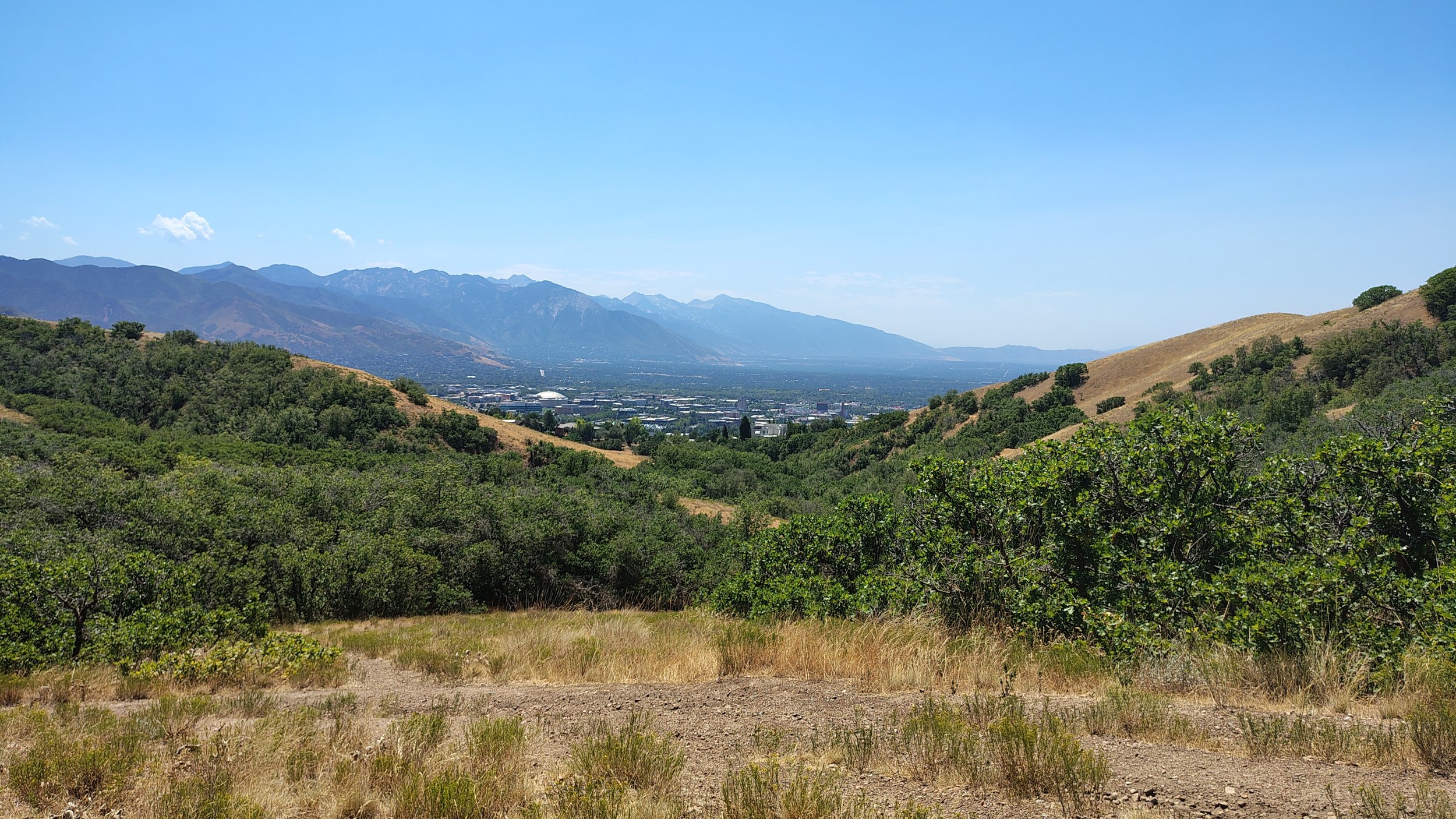
In late July, our entire lab attended the 2026 Ecological Society of America meeting in Salt Lake City. This year's conference theme, Ecology in an Era of Uncertainty, spoke to many timely uncertainties present in our work: climate change, artificial intelligence, funding sources, and shifts in the job market were all discussed at length alongside our research. The annual meeting provided an exceptional venue for each member of the lab to connect with, and learn from, other subject matter experts.
Here are some favorite moments, as reported by each member of the lab!
Kaili
Favorite session: “Career Center talk on "Careers at PUIs (Primarily Undergraduate Institutions)", and the wildfire-focused session that Melissa was part of on Wednesday morning.”
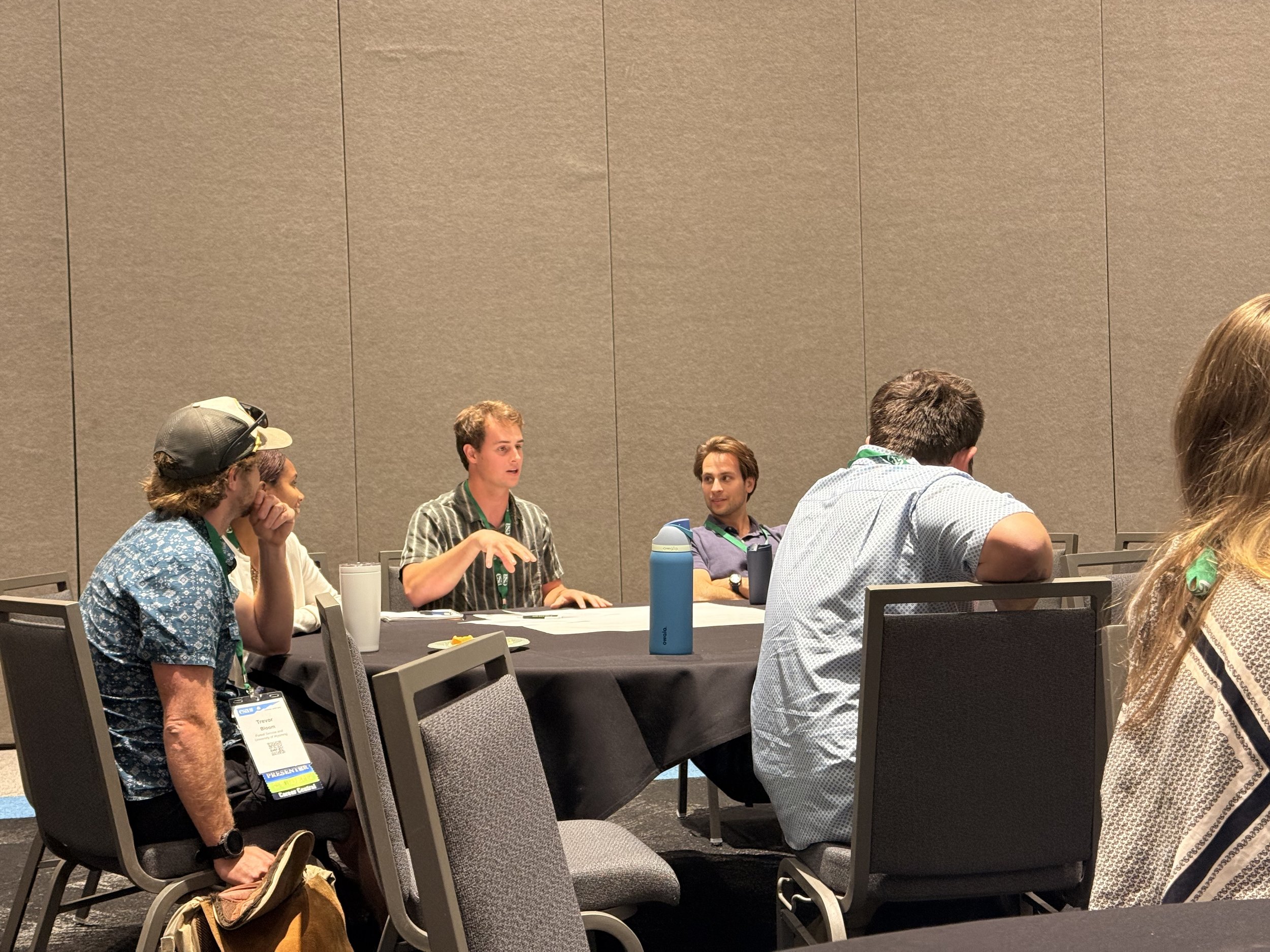
Favorite moment: “My favorite thing that happened at the conference was being part of a special session focused on grasslands wildfire management in the WUI (Wildland Urban Interface) – we were put in groups of 5-6 people from all different backgrounds to talk about the gaps in knowledge and data needs in this field, and some ideas for how to solve those needs. Very diverse group of people and very constructive discussions!”
James:
Favorite session: “One of the more interesting presentations I and a few folks from our lab attending was the workshop on how to frame management decisions under the RAD (Resist, Accept, or Direct) framework. Being that this is the framework some federal and state agencies use to asses and determine impacts of a certain management decision, it was a great opportunity to work through some examples and better understand how to frame scientific results in a way that can influence sound policy.”
Favorite moment: “This conference had a lot of career building opportunities, and being a postdoc I tried to take full advantage of them. One of the best ones was the discussion of 'The day in the life at NEON'. Being I have interacted with them over the years, it was good to see how they enjoy the work that NEON is doing and how they are actively looking for new team members to join.”
Clearwater:
Favorite session: “Tuesday’s biogeochemistry session was amazing. John Paul Hellenbrand (City University of New York) talked about litter inputs and respiration at forest edges, and mechanisms for how that can affect forest biogeography over time. Calvin Heslop (Harvard) talked about how Siberian alder shifts plant community composition in Alaska. And I got to meet Georgia Seyfried (Oregon State), who talked about how soil attributes shape ecological responses after initial burns compared to reburns. It was great to chat with her after, too. I hope that I can collaborate with her on something someday!”
Favorite moment: “There were so many amazing moments at ESA, it’s really hard to choose just one. I think the most meaningful to me, personally, was unexpectedly running into one of my professors from undergrad. It was so amazing to hear her thoughts on sessions we’d attended, introduce her to my coworkers, watch her share teaching tips with Kaili, and talk about the progress we’ve both made in our careers since we last saw each other. Sometimes you don’t realize how far you’ve come until you’re telling someone about your journey, and I think we both felt that.”
Bryce:
Favorite session: “I went to an ecological management workshop where we talked through scenarios of how to approach land managers through the R.A.D. framework. Do they resist, accept, or direct the change? We advise them based on ecological processes and their management priorities.”
Favorite moment: “I got to meet Park Williams!”
Melissa:
Favorite session: Workshop on mentoring students to secure jobs in the private sector
Favorite moment: Watching Rese (Melissa’s friend from graduate school) be inaugurated as the next ESA President!
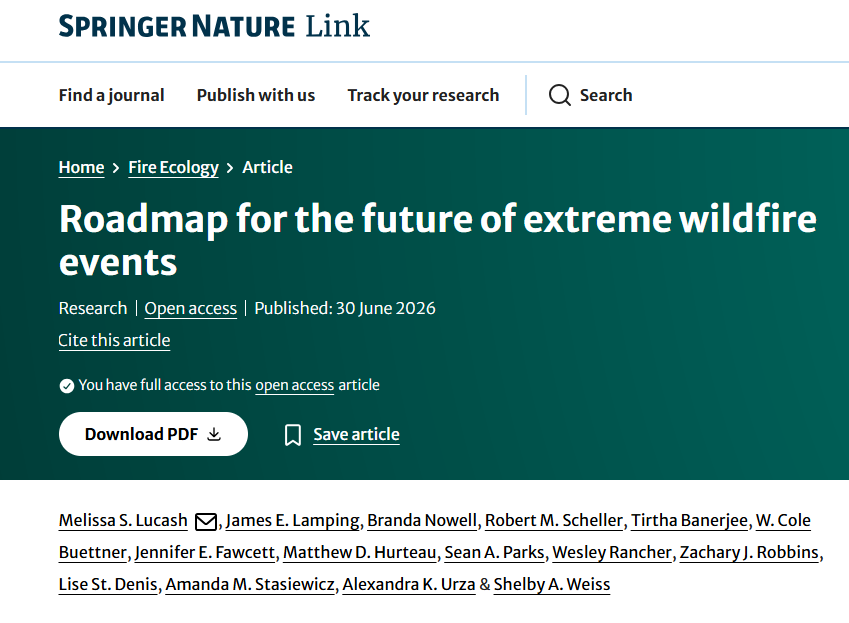
New paper in Fire Ecology!
So exciting for me, James, Wesley and Shelby (from our lab) to collaborate with some of the greats in the fire world! Thanks to ESIIL for funding our workshops!
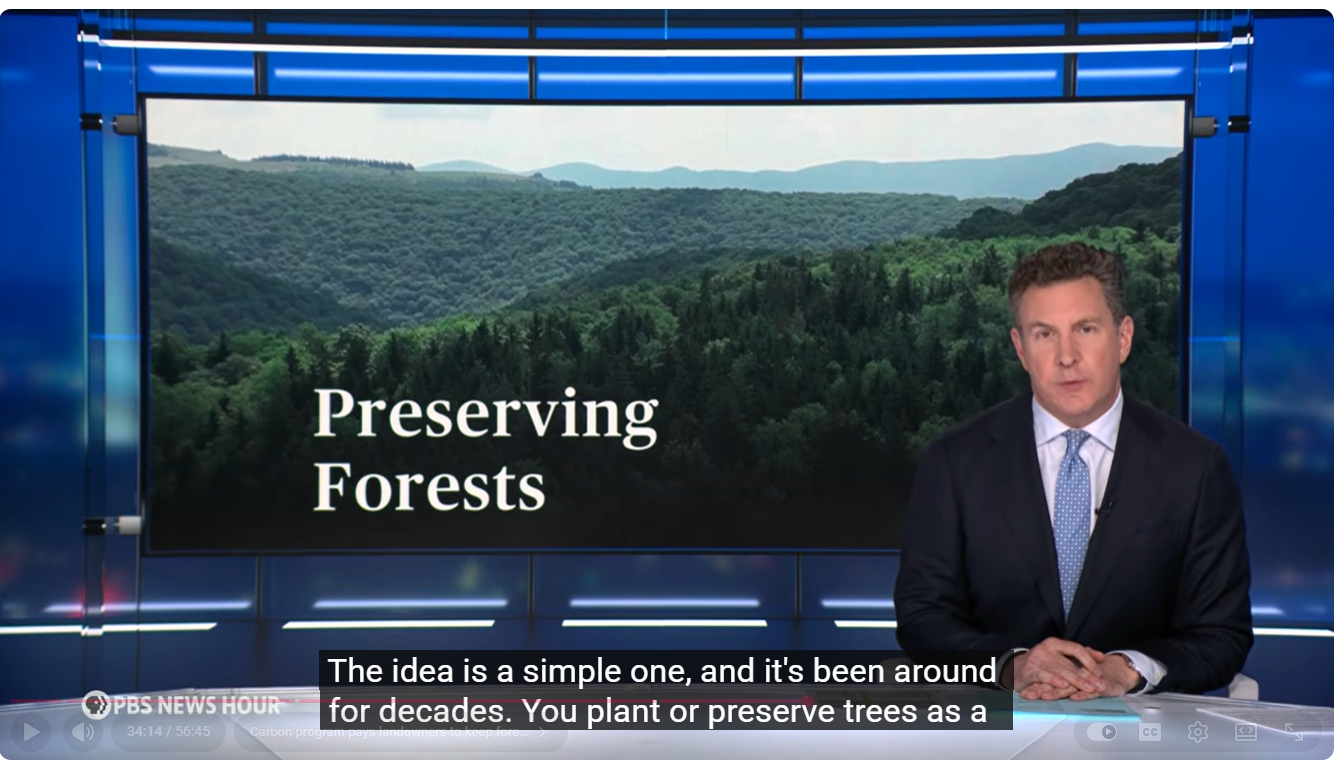
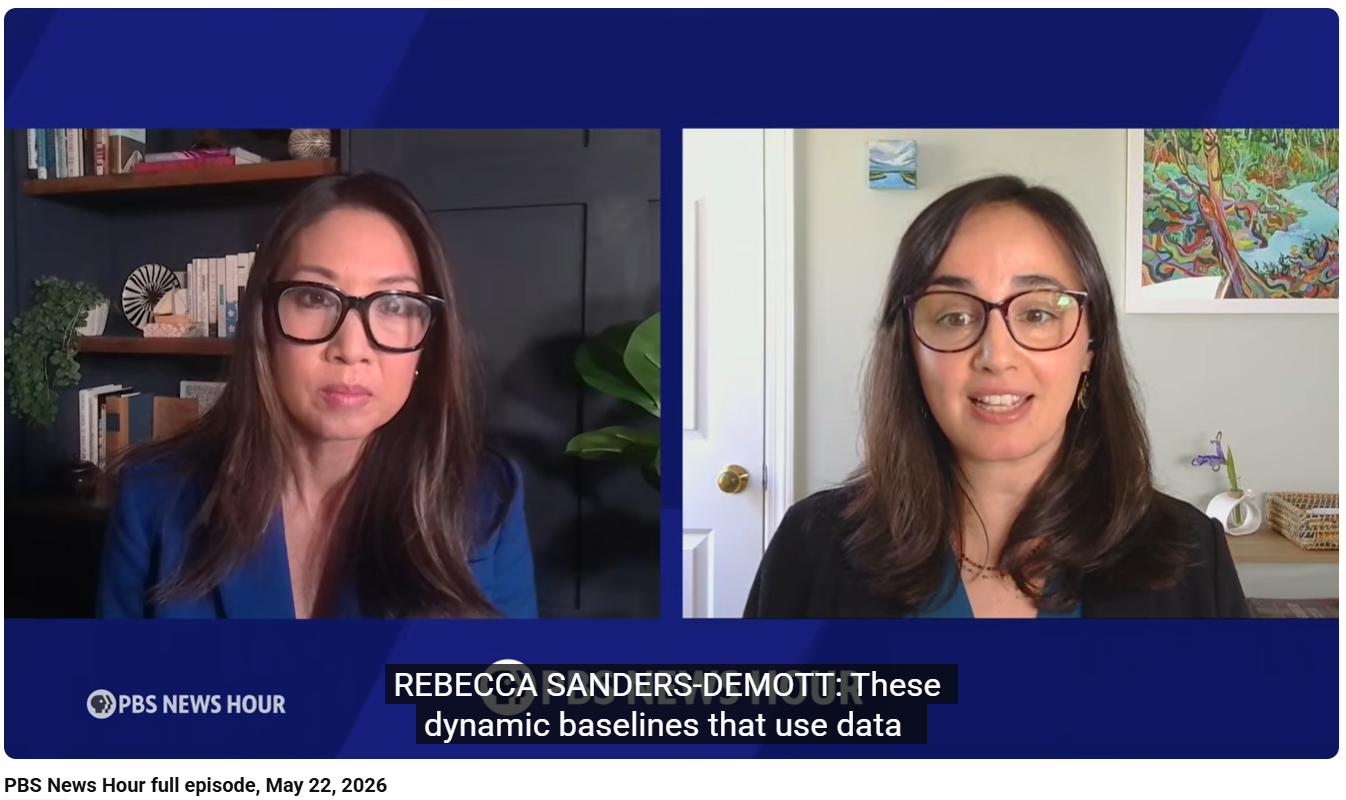
Our report/publication on forest carbon credits was featured on PBS News Hour!!!
On Friday, PBS NewsHour aired a segment on forest carbon credits focused on the American Forest Foundation Family Forest Carbon Program. The segment included interviews with Rebecca Sanders-DeMott discussing a report and peer-review publication on forest carbon protocols and credits that I co-authored.
This publication and report were part of an invited workshop in Boston hosted by the non-profit Clean Air Task Force, which ultimately helped reinforce the message that high-quality carbon credits are critical.
You can watch the 15 min PBS NewsHour segment here: https://youtu.be/A8qkohvRDSA?t=2051&si=pqgFC_PxLP1KQRjm
Thanks so much to Michelle Mack for visiting UO this week!!
New paper published in J. of Environmental Management by Clearwater!
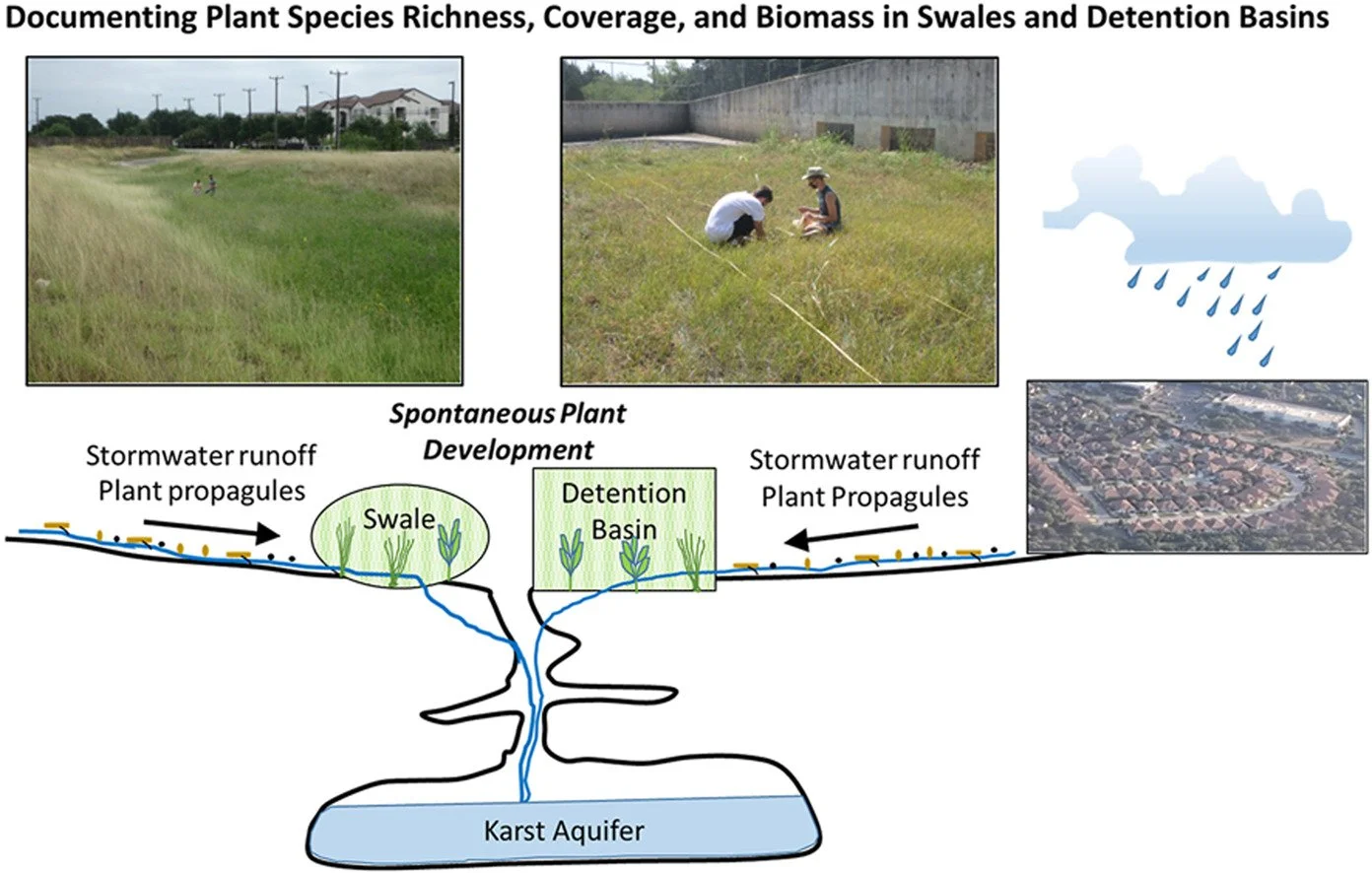
Hutchinson, J.T., Clearwater, T, Kent, J, Kapoor, V, Dessouky, S. 2026. Spontaneous vegetation diversity in managed stormwater swales and detention basins in the Edwards Aquifer recharge zone of Central Texas, Journal of Environmental Management, Volume 406: 129841. https://doi.org/10.1016/j.jenvman.2026.129841
Swales and detention basins represent novel engineered ecosystems dominated by ruderal plants tolerant of inundation, drought, and extreme heat. In this study, we documented the plant species coverage and biomass in swales and detention basins. In total, we documented 115 plant species (89 native and 26 non-native) in the swales, and 94 plant species (68 native and 26 non-native) in detention basins. Spontaneous plant communities in swales and detention basins are distinct, sharing only a 33% similarity. Swales exhibited higher mean species richness (ranging from 8.6 to 11.0) and higher mean vegetation cover (58 to 129%) compared to detention basins. Dry above-ground biomass was higher in swales, largely driven by graminoids. Although initial planting in newly constructed swales and detention basins should utilize native grasses, allowing spontaneous native vegetation to establish following planting is recommended. These species form resilient novel ecosystems that are inherently adapted to environmental changes.
New paper in Fire Ecology by PD Kaili Brande!
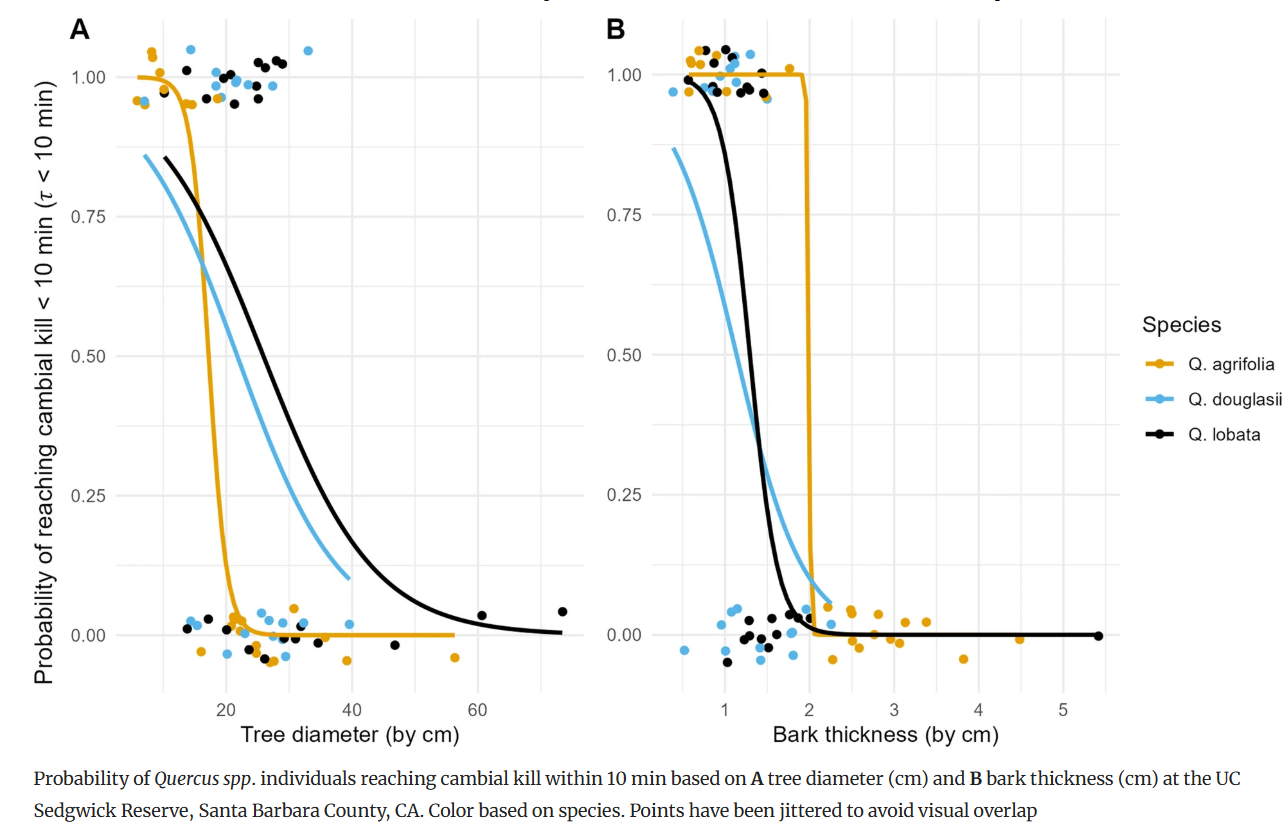
Brande, K., Davis, F.W. & Kendall, B.E. Bark traits and fire vulnerability in three California foothill oak species. fire ecol 22, 43 (2026). https://doi.org/10.1186/s42408-026-00488-2
Conclusion
Bark traits and growth patterns can confer fire adaptation in tree species. Q. agrifolia showed stronger evidence of fire-adapted bark traits than Q. douglasii or Q. lobata. More work is needed to develop reliable general models relating time to trunk tissue kill to bark traits for oaks in fire-prone ecosystems.
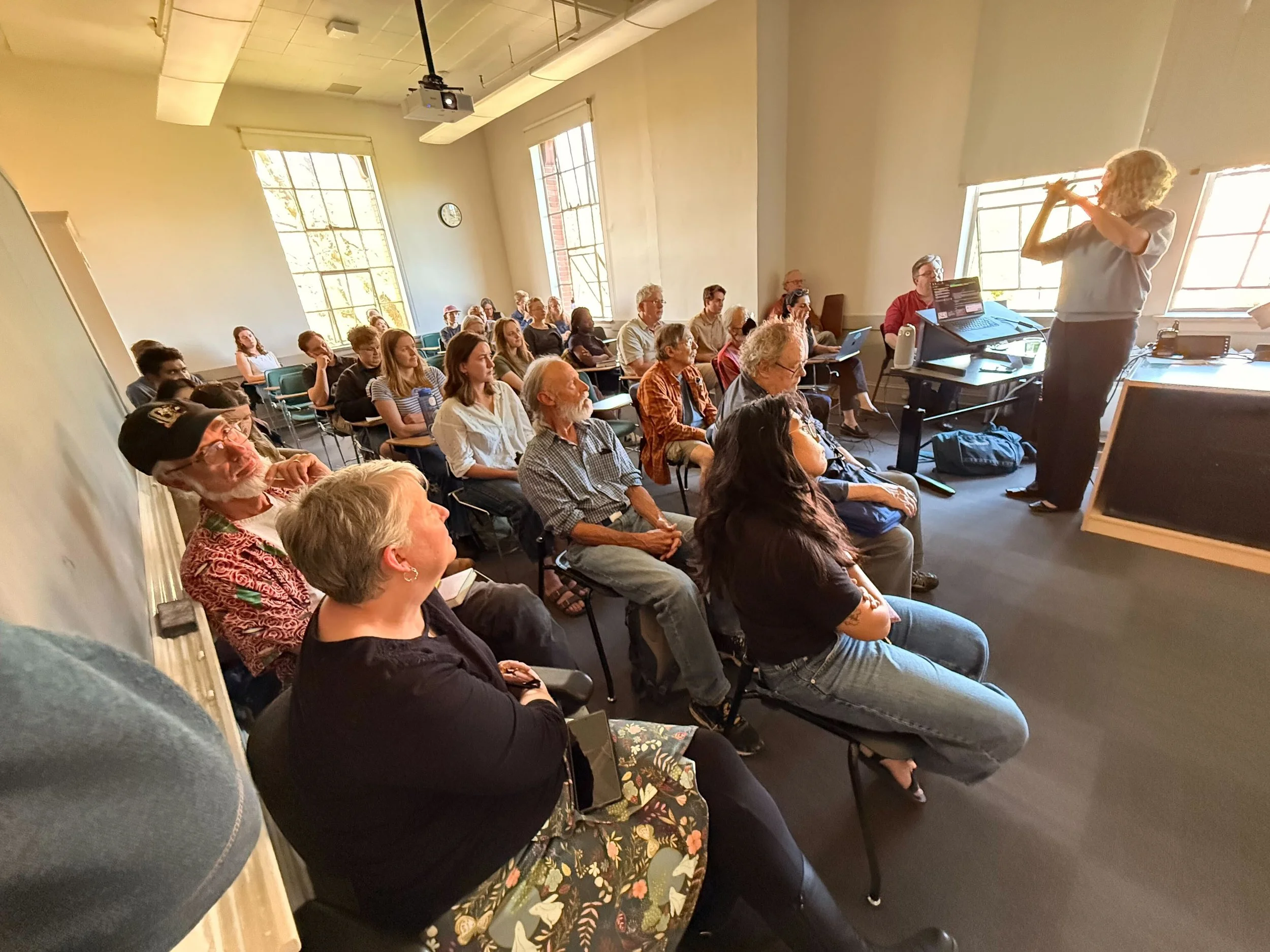
Packed house to hear Michelle Mack's talk on boreal forests for our Geography colloquium
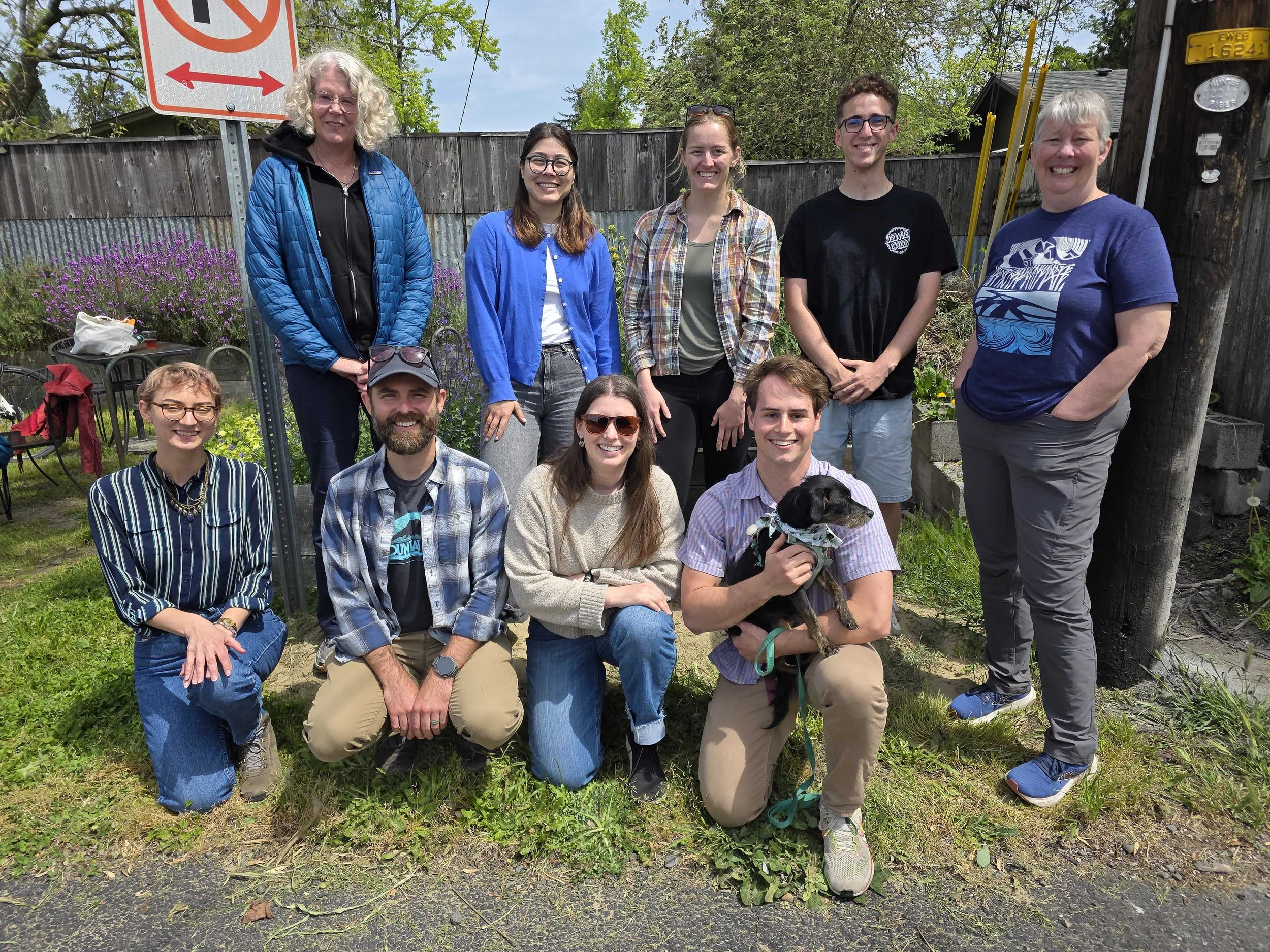
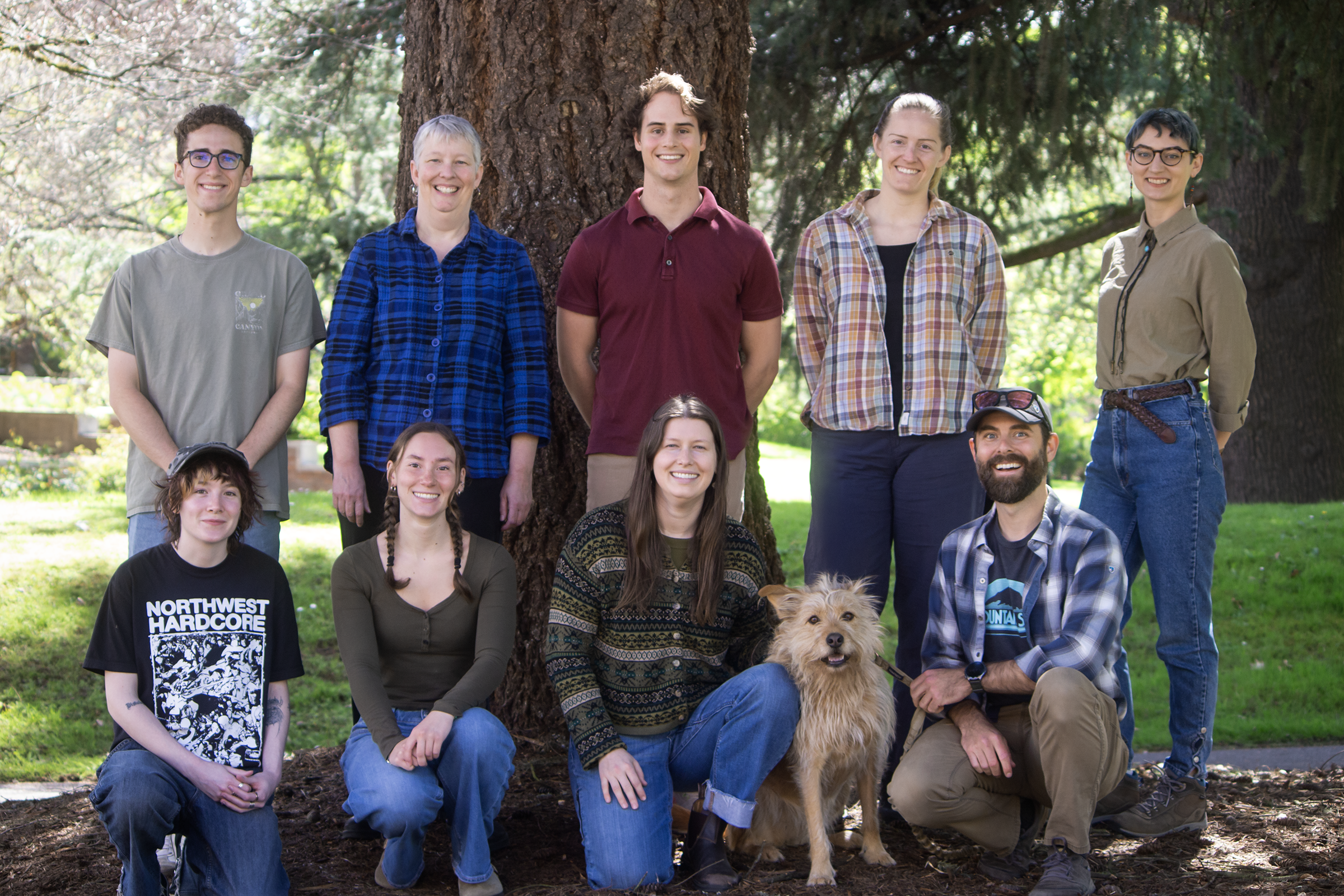
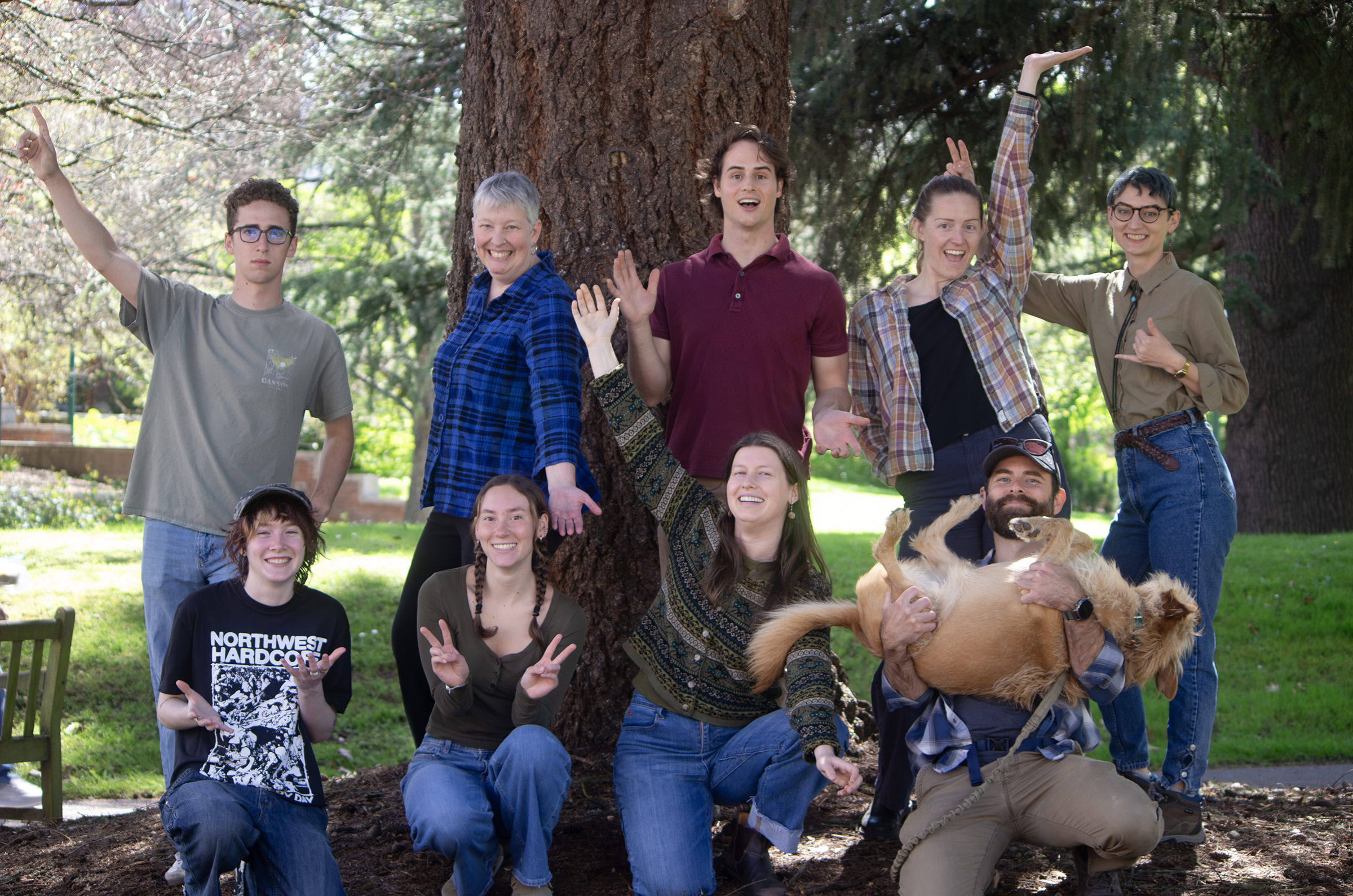
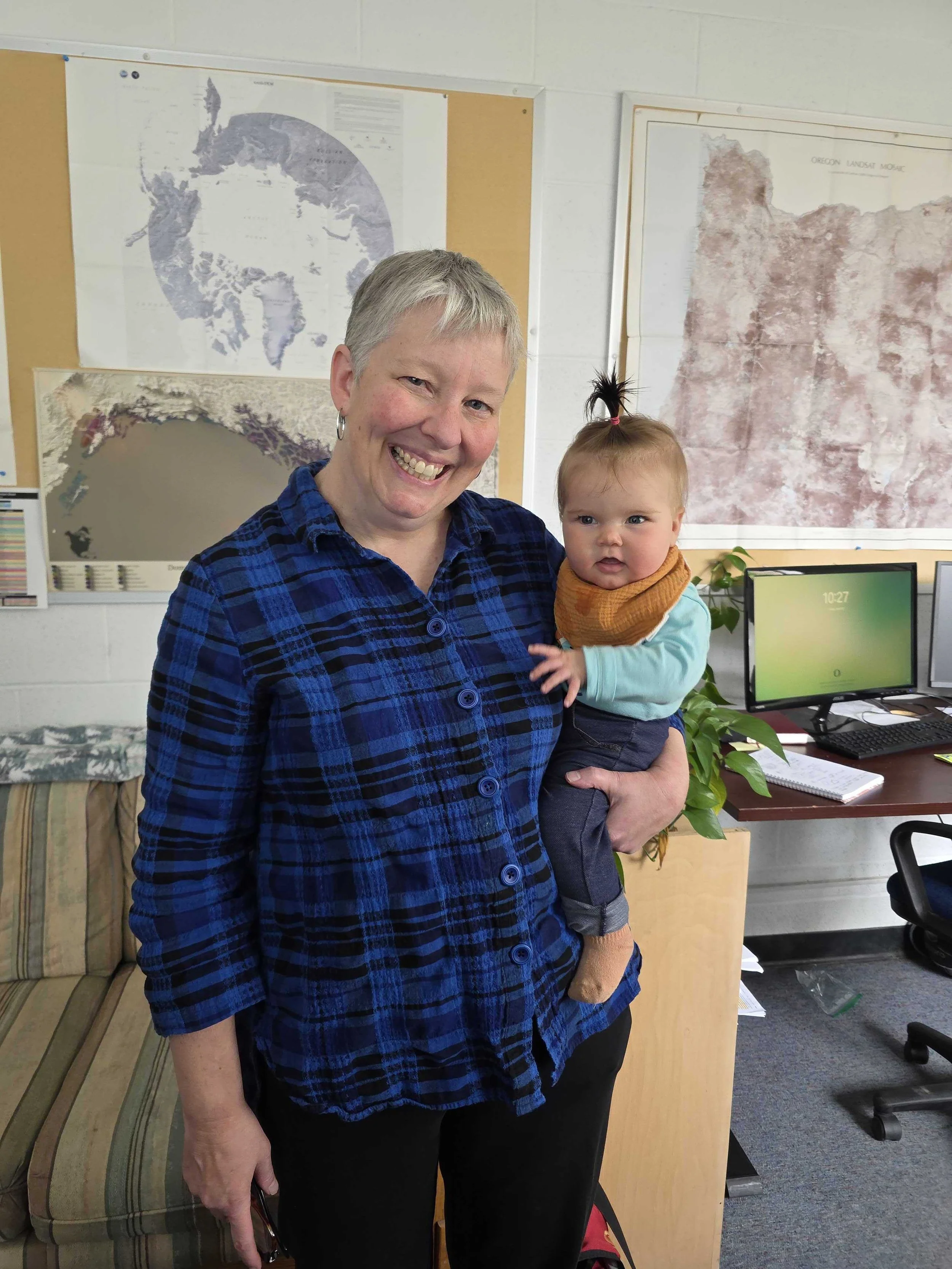
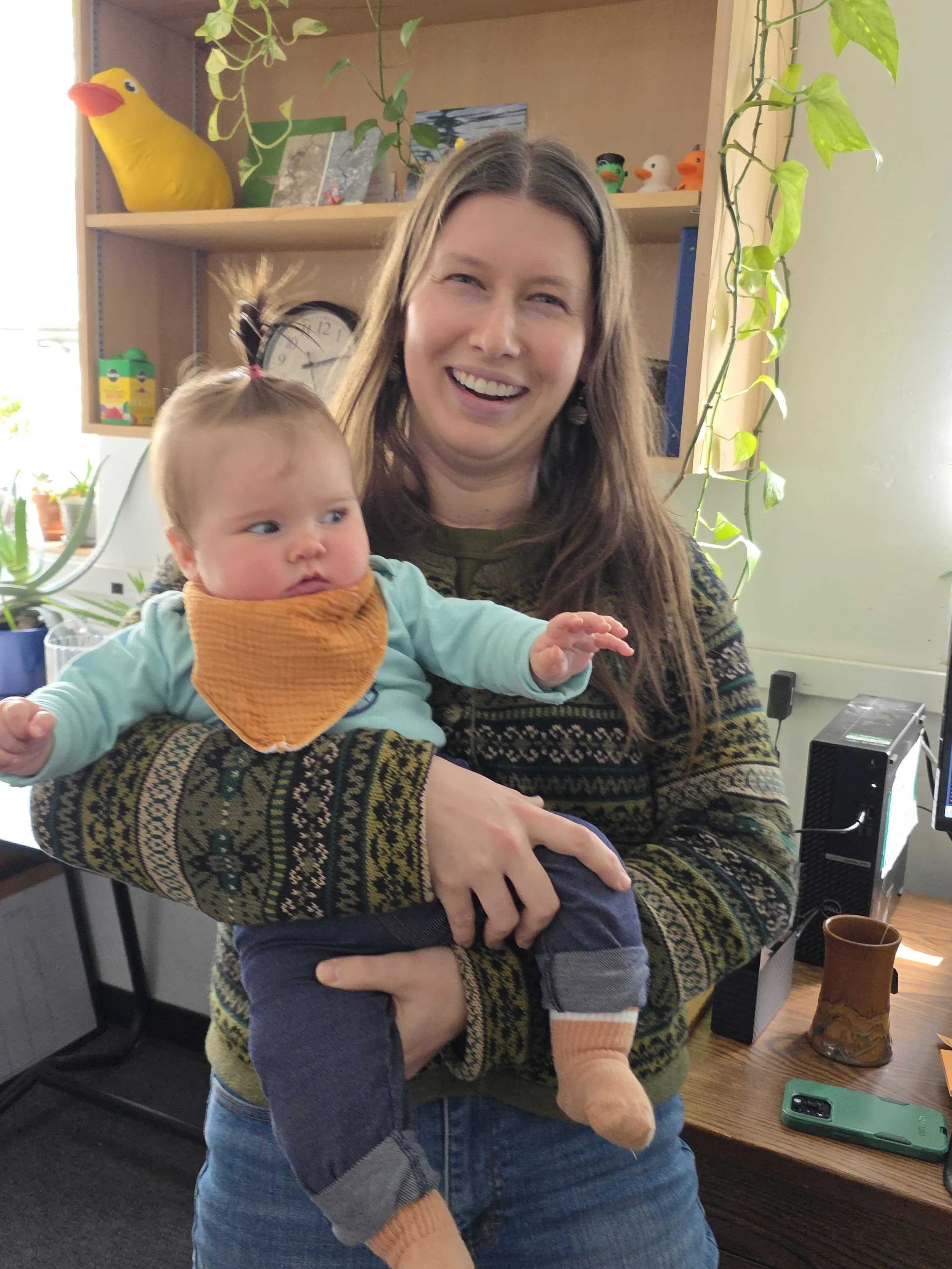
We have a new lab photo and Melissa got to hold James' baby! Best day!
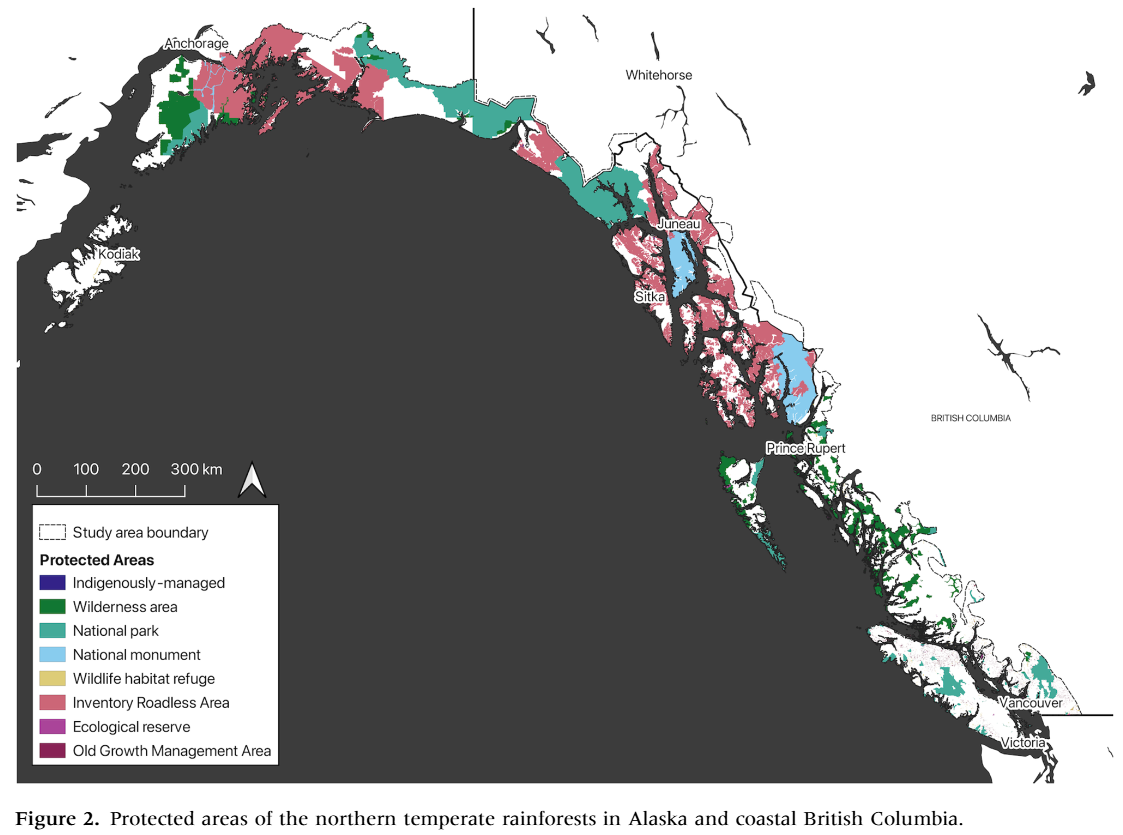
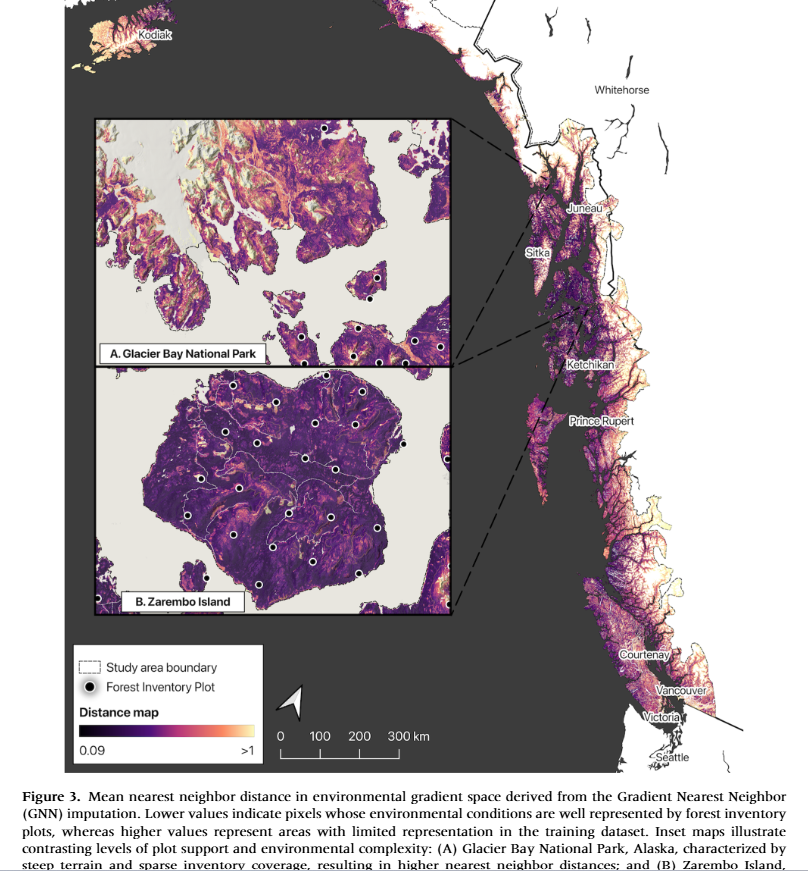
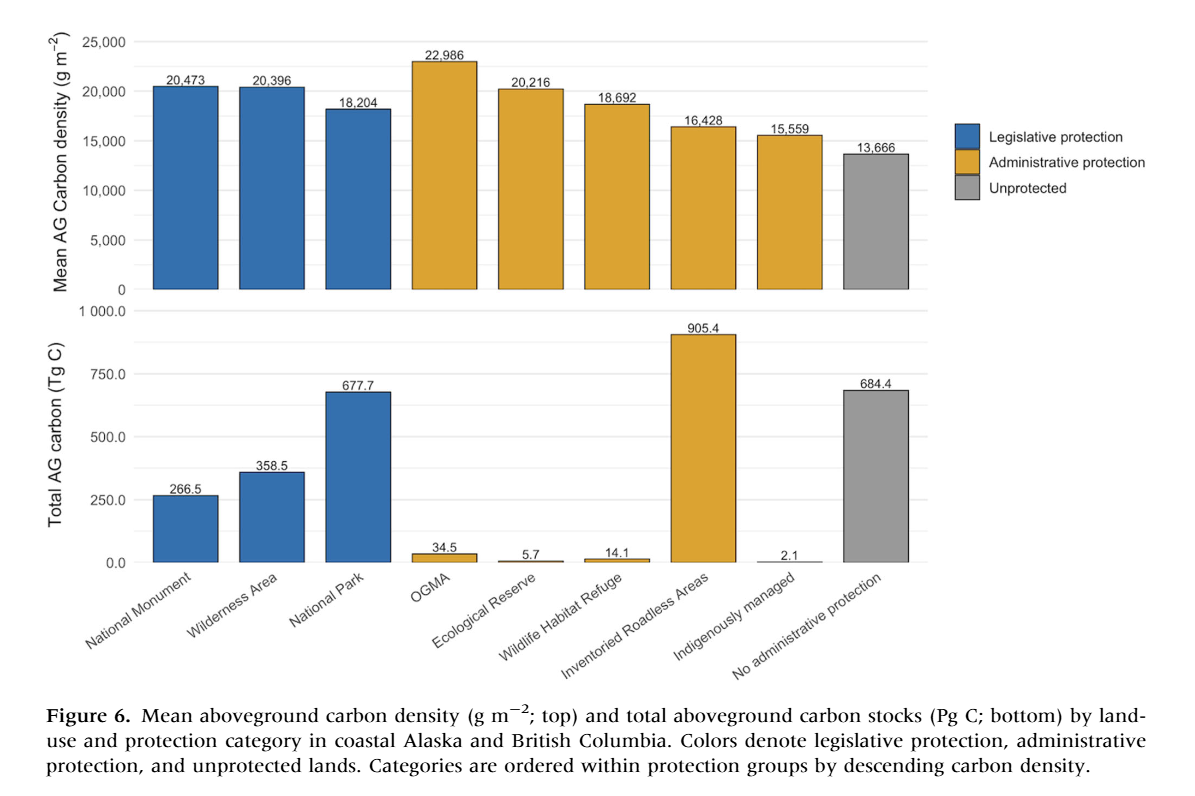
New lab publication led by PD James Lamping!